Circular Pattern on Deer
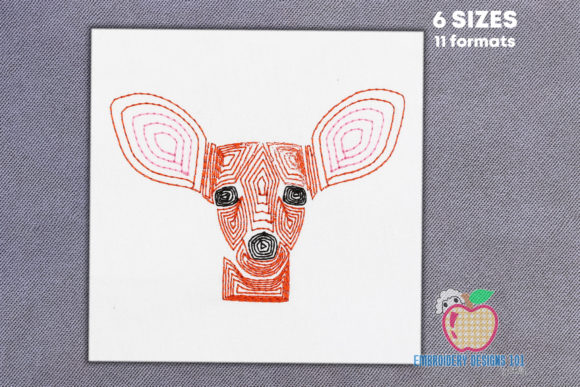
As an embroidery designer and product reviewer, I often find myself evaluating machine embroidery designs for real-world use. The Circular Pattern on Deer caught my attention not just for its visual appeal but for how it might translate into practical projects. This line art design offers a clean, circular motif that could work well in a variety of handmade and commercial applications.
First Impressions: A Simple Yet Versatile Design
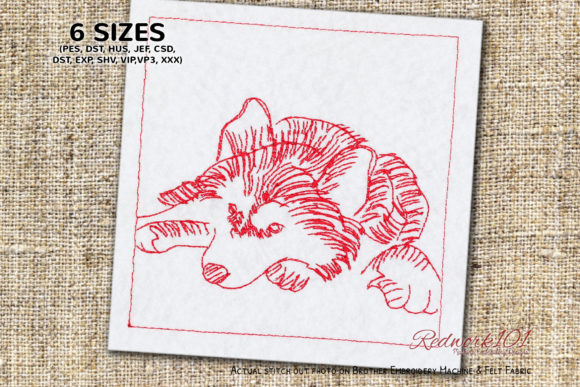
The Circular Pattern on Deer has a minimalist feel. It’s not overly complex, which makes it easy to stitch, but it still carries enough character to stand out. The circular shape gives it a sense of balance and symmetry, making it ideal for projects that need a subtle yet distinctive touch. The line art style suggests it could be used with different stitching techniques—like satin or fill stitches—to add depth and texture.
This design feels like it belongs in a natural, rustic, or whimsical theme. It could easily fit into a Wild Animals category, especially if paired with other nature-inspired motifs. However, the simplicity of the design also means it can be adapted to more modern or abstract settings as well.
Real-Life Use Cases: Where It Works Best
Imagine you’re preparing a custom embroidered tote bag for a client. The Circular Pattern on Deer could serve as a focal point, placed near the top or bottom of the bag. Its size options make it flexible for different fabric types and project scales. For a small shop product, this design could be a great addition to a line of baby clothes, aprons, or even holiday gifts.
It also works well as an embroidered patch. Whether you're creating a personalized item for a craft fair or selling digital embroidery files online, the design’s clarity and simplicity mean it will hold up well in various formats. As a digital embroidery file, it could be part of a larger collection of design assets for Etsy sellers or boutique brands.
For a custom apparel project, the Circular Pattern on Deer could be used on sweatshirts, t-shirts, or caps. Its running line structure is forgiving and won’t overwhelm the fabric. It’s also suitable for handmade products that require a professional finish without being too busy.
Where to Be Careful: Limitations and Considerations
While the Circular Pattern on Deer is versatile, there are some situations where it may not perform as well. If you’re working with a small hoop size, the design may need to be split or resized, which could affect the overall look. Similarly, on textured or stretchy fabrics, the line art might not show up as clearly as on smooth, stable materials.
On dark fabrics, the design may require a contrasting thread color to maintain visibility. Thin or delicate fabrics could also pose a challenge, as the stitch density might cause puckering or distortion. It’s important to test the design on scrap fabric before committing to a final project.
If you’re planning to use it on curved surfaces like caps or bags, be mindful of how the circular shape interacts with the curve. The design may need slight adjustments to ensure it looks balanced and centered.
Impact on Visual Appeal and Customer Perception
The Circular Pattern on Deer adds a refined touch to any project. Its clean lines and symmetrical form contribute to a polished, professional appearance. When used in a personalized gift or holiday embroidery project, it can elevate the perceived value of the finished product.
Customers often respond positively to designs that are unique yet not overwhelming. This pattern strikes a good balance, making it a safe choice for many audiences. It also supports brand consistency when used across multiple items in a product line.
For a craft business or Etsy seller, the design can help build trust by showing attention to detail and quality. It’s also a great option for printable mockups or digital product previews, as it maintains clarity at different sizes.
Practical Designer Notes: Testing and Preparation
Before using the Circular Pattern on Deer in a client project or for sale, I recommend testing it on different fabric types. Check how the thread colors interact with the background and whether the stabilizer is sufficient for the material you’re using.
Review the stitch density to ensure it’s appropriate for the intended use. If you plan to use it on a layered garment or something that will be washed frequently, consider how the design will hold up over time.
Finally, confirm the licensing terms if you’re planning to sell the finished product or distribute the embroidery file digitally. Always make sure the design is suitable for both personal and commercial projects.
Conclusion: A Solid Choice for Many Projects
The Circular Pattern on Deer is a practical, adaptable design that can enhance a wide range of embroidery projects. Whether you're creating a custom apparel piece, a handmade product, or a small shop merchandise, this design offers a balance of simplicity and style. With proper testing and consideration, it can become a valuable addition to your creative toolkit.